

)
)
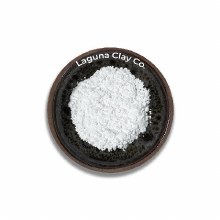
Laguna
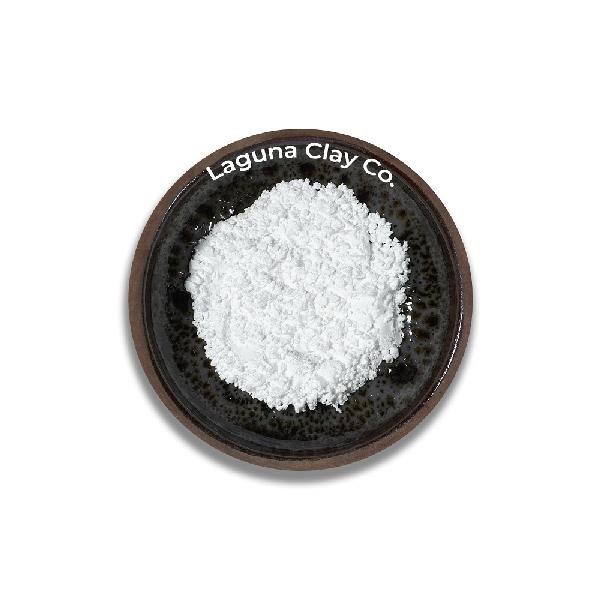
Lithium Carbonate (Sold in .25 Units)
| Qty: | Unit Price per LB: |
|---|---|
| 1 | $120.06 |
| 5 | $80.04 |
| 10 | $73.37 |
| 50 | $66.70 |
Laguna's Lithium Carbonate- Fine (SP01003), (Avl in .25# Units)
Item#: 51374921
MPN: MLITHCARBF
Alternate Names: Lith Carb, Li2CO3
- Full Bag is 50 lbs.
- Used as a flux in lead less glazes. A source of lithia, a strong, high-temperature flux.
- Improves glaze brightness and increases firing range.
- Reduces thermal expansion.
- It is a source of Lithia for glazes.
- A strong flux, to aid in the melting of glazes at 1472°F.
* Used extensively as a secondary flux in leadless ^06 and ^5 glazes.
- Lithium Carbonate is the best source of lithium oxide for glazes.
- It is slightly soluble and a powerful melter.
Item#: 51374921
MPN: MLITHCARBF
Alternate Names: Lith Carb, Li2CO3
- Full Bag is 50 lbs.
- Used as a flux in lead less glazes. A source of lithia, a strong, high-temperature flux.
- Improves glaze brightness and increases firing range.
- Reduces thermal expansion.
- It is a source of Lithia for glazes.
- A strong flux, to aid in the melting of glazes at 1472°F.
* Used extensively as a secondary flux in leadless ^06 and ^5 glazes.
- Lithium Carbonate is the best source of lithium oxide for glazes.
- It is slightly soluble and a powerful melter.
Lithium Carbonate is the best source of lithium oxide for glazes. It is slightly soluble and a powerful melter.
There are certain basic properties of lithium which are of interest in ceramics. Since lithium has a very small ionic radius in comparison to the other alkali metals, it has a higher field strength. Low expansion coefficients are generally imparted to ceramic compositions containing lithia (beneficial to glazes that tend to craze but harmful to ones already tending to shiver). Lithium carbonate is a very strong flux (also true of lithium fluoride). Because it is such an active melter lithium is valuable in the production of reactive glazes. In contrast, other lithium compounds may be quite refractory: lithium zirconate and lithium aluminum spinel are examples.
There is comparatively little published information on the use of lithia compounds in ceramics. Laboratory investigations indicate that small additions of lithium will react with quartz during firing and eliminate the alpha-beta quartz transition in the cooling cycle. Lithia imparts low thermal expansion coefficients to glasses and also promotes devitrification in glass systems. Smaller amounts act to smooth the glass surface.
Lithium exhibits many properties that are similar to the more common alkali metals sodium and potassium. In many respects it also shows similarities to the elements of the alkaline earth group, especially magnesium.
In addition to being soluble, lithium carbonate produces gases as it decomposes and these can cause pinholes or blisters in glazes. There are insoluble lithium frits available (e.g. Fusion F-493 has 11%) and incorporating one of them to source the Li2O instead is a classic application of glaze chemistry calculations (however for glazes with very high amounts of lithium, like 10%+, it will be difficult to source the Li2O using a frit because significant amounts will be required and this will likely oversupply the other oxides the frit brings). The resultant glaze will be more fusible and will have better clarity and fewer defects.
Lithium carbonate is the best source of Li2O for frits (but the most expensive one). Lithium sources are becoming so expensive that companies and discontinuing products using them. Potters can often justify using lithium if they make smaller quantities of glaze, especially brushing glaze, and use them up to make ware that will be sold.
Lithium carbonate powders can be very fine and somewhat grainy. The finer particled powders can deflocculate a glaze slurry, reducing the amount of water required (but also changing other rheological properties).
If you need to substitute this material in glazes and need help, just purchase a group account at Insight-live.com and we can work together to get it done (sourcing the Li2O from a frit or spodumene). We will make a step-by-step video of the initial calculation and then work together in your account to track trials, adjustments and retrials. You will end up with a glaze having better slurry properties, fewer bubbles and better fit.
Reviews
Recently Viewed Items


Share:
Share on Facebook Share on Twitter Share on Pinterest Tell a friend