

Laguna
3110 Ferro Frit, Lead Free
| Qty: | Unit Price per LB: |
|---|---|
| 5 | $6.13 |
| 10 | $5.45 |
| 25 | $4.09 |
| 50 | $3.41 |
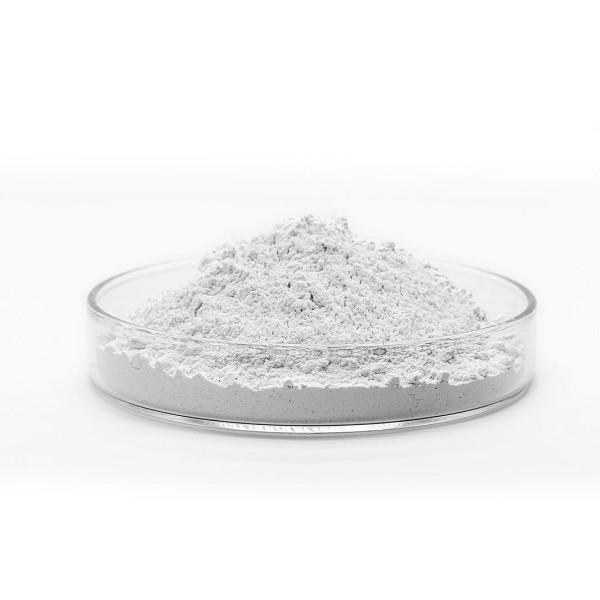
Laguna's Ferro Lead Free Frit, 3110
Item#: 8413110
MPN: FF3110
Alternate Names: F3110, Frit KFG 4110, Ferro Crystal Frit, Ferro Frit 3110-2
Description: High alkali, low alumina and boron leadless high expansion frit
- Full Bag is 50#
- Soft sodium borosilicate frit for glazes.
- Since it is a good source of Na2O it is very commonly found in glaze recipes all temperatures.
- It has a high thermal expansion, therefore useful for substitution into glazes that are shivering (e.g. the G1916Q recipe trades it for frit 3195 to increase expansion).
- Often used in crystal glazes.
Item#: 8413110
MPN: FF3110
Alternate Names: F3110, Frit KFG 4110, Ferro Crystal Frit, Ferro Frit 3110-2
Description: High alkali, low alumina and boron leadless high expansion frit
- Full Bag is 50#
- Soft sodium borosilicate frit for glazes.
- Since it is a good source of Na2O it is very commonly found in glaze recipes all temperatures.
- It has a high thermal expansion, therefore useful for substitution into glazes that are shivering (e.g. the G1916Q recipe trades it for frit 3195 to increase expansion).
- Often used in crystal glazes.
Soft sodium borosilicate frit for glazes. Since it is a good source of Na2O it is very commonly found in glaze recipes all temperatures. It has a high thermal expansion, therefore useful for substitution into glazes that are shivering (e.g. the G1916Q recipe trades it for frit 3195 to increase expansion). Often used in crystal glazes.
Since it is somewhat soluble some precipitation can occur in glazes stored for lengthy periods.
This frit can be very useful to reduce the feldspar content in glazes (since many high feldspar glazes have low clay content and therefore poor slurry suspension properties and dried hardness). The chemistry of this frit is similar to a feldspar (but with low alumina and CaO in addition to the alkali fluxes). That means if least part of the feldspar can be substituted for Frit 3110 you can increase the kaolin (to supply the alumina) and thereby improve slurry properties (we have done this with excellent success up to cone 10R). In addition, you will be able to reduce the amount of troublesome calcium carbonate. Of course, glaze chemistry is needed to calculate how to do this, there are videos at digitalfire.com on how to do this.
It can be used with 3403 for bright and semi-matte wall tile glazes.
This frit is also good for use as a body flux to substitute for feldspar, much lower vitrifying ranges are possible. However, it is somewhat soluble, so bodies should be used soon after making them. Adding only a small amount, e.g. 5%, to a terra cotta body not only greatly improves the maturity, but can potentially reduce crazing and make glazes easier to fit.
Cone Range: 08-8
Fusion temperature: 1400F
Flow temperature: 1700F
This frit has a very low melting point like 3124, 3134, 3185.
Reviews
Recently Viewed Items
Share:
Share on Facebook Share on Twitter Share on Pinterest Tell a friend