
)
)
Tin Oxide (Sold in .25 lb Units)
| Qty: | Unit Price per LB: |
|---|---|
| 1 | $62.35 |
| 5 | $41.57 |
| 10 | $38.11 |
| 55 | $34.64 |
Item#: 12701
MPN: MTINOX
Alternate Names: Stannic Oxide, Tin(IV) Oxide, Tin Dioxide, SnO2
- Full Bag is 55 lbs.
- The most effective opacifier to produce even opaque, glossy glaze.
- Normal use in a glaze is 5-10%. Dull matte glaze can result when used in excess.
- The most effective opacifier to produce even, opaque, glossy glazes.
- The normal use of Tin Oxide in a glaze is between 5% and 10%. A dull matt glaze can result when used in excess.
* Ceramic Glazes and Colors:
- Used as a flux and opacifier in oxidation glazes and for warm brown iron glazes
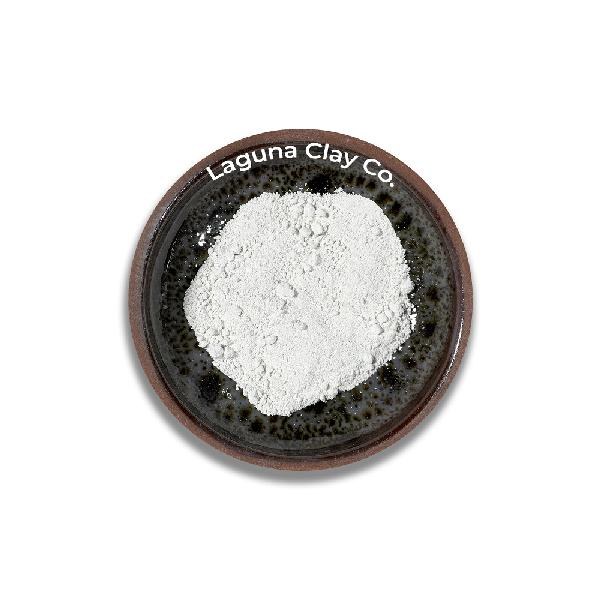
- Tin oxide is a white or off-white powder produced by oxidizing molten high grade tin metal. It is typically quite pure, some manufacturers have grades up to 99.999% purity. Tin oxide power is very fine-grained and it agglomerates, so glazes containing it need to be sieved to break down the small lumps (even a high speed propeller mixer often won't do it).
- Tin oxide has long been used to opacify glazes in oxidation (make transparents opaque) at all temperatures. Hand decorated tin glazed earthenware of the 1700/1800s is the most famous use of tin in glazes (delftware-England, faience-France, maiolica-Italy). While many potters are keeping this tradition alive today most now use zircon based opacifiers instead.
Tin oxide is a white or off-white powder produced by oxidizing molten high grade tin metal. It is typically quite pure, some manufacturers have grades up to 99.999% purity. Tin oxide power is very fine-grained and it agglomerates, so glazes containing it need to be sieved to break down the small lumps (even a high speed propeller mixer often won't do it).
Tin oxide has long been used to opacify glazes in oxidation (make transparents opaque) at all temperatures. Hand decorated tin glazed earthenware of the 1700/1800s is the most famous use of tin in glazes (delftware-England, faience-France, maiolica-Italy). While many potters are keeping this tradition alive today most now use zircon based opacifiers instead. Thus any discussion about the use of tin oxide as an opacifier ends up comparing it with zircon products:
-Twice as much zircon is required to produce the same level of opacity.
-Like zircon, tin melts at very high temperatures and thus does not go into solution in typical glaze melts.
-Zircon will stiffen the glaze melt more than tin.
-Zircon will produces a harder glaze surface, but that surface can have cutlery marking issues.
-Zircon will reduce the thermal expansion of the glaze more than tin.
-The quality of the white color is different (tin tends to be more of a blue white, zircon a yellowish white).
-Tin is very expensive. That being said, it has double the potency and tin glazes can be applied thinner, these two factors can even out the cost.
-Zircon tends to have less of an effect on the development of metal oxide colors (e.g. tin reacts with chrome to make pink).
-Tin can often produce and maintain better gloss.
-While there are other products that produce varying degrees of opacity, none are as neutral and non-reactive as tin and zircon. Other opacifiers also tend to variegate the glaze.
-Tin does not normally opacify in reduction firings.
Tin is also a player in the development of ceramic colors, for example chrome tin pinks and maroons. Tin with iron in oxidation makes a warmer shade of brown than zirconium does.
Tin oxide is also a variegator. For example, tin can react with titanium and rutile to to completely transform the color and character of a glaze. Although tin is expensive, very little is required to produce stunning effects in many colored glazes.
Some claim that a little tin (not enough to opacify) will add extra smoothness and shine to many glazes.
Share:
Share on Facebook Share on Twitter Share on Pinterest Tell a friend