
)
)
)
)
)
)
SW446 - Pastel Blue Bead Glaze Glaze, Cone 5-10, Pint
Item#: 16SW446
UPC#:
MPN: SW446P
*Pastel Blue Bead Glaze*
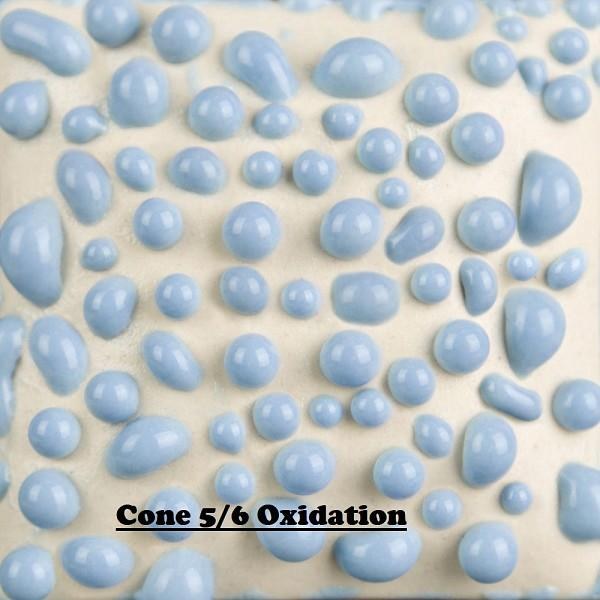
CONE 5/6 OXIDATION:
- Produces a dimensional, beaded texture in varying sizes.
CONE 10 REDUCTION:
- Glaze spreads and softens. Surface texture may occur. No color change.
*Basic Application:
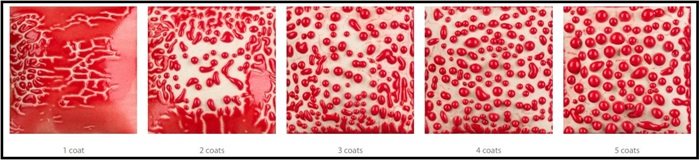
Stir well. Using a soft fan brush, apply 3-6 coats to greenware or soft-fired, cone 04 stoneware bisque (1940°F/1060°C). A heavier application will produce a more pronounced bead pattern. When the glossy sheen is gone, apply the next layer. Continue to build coats until hairline
Tips for Use:
Tinting: Can be tinted with a 1:4 (Color Product:Beads) ratio for custom colors using Stroke & Coat, EZ Stroke, Stoneware Gloss, and Underglaze to expand your color palette.
Layer Together: Beads can be layered with other Bead colors to create stunning visual effects. Allow the first layer to set slightly (loses its glossiness) before adding the next. Alternate directions of coats (apply one layer vertically and the next layer horizontally). The first coat you put on will be the most prominent. 1-2 coats of each color are recommended, but additional coats will produce a more pronounced bead pattern.
Use with Underglazes and Engobes: Beads remains dimensional when applied over Underglazes and Stoneware Engobes, preserving its raised texture. For best results, it is recommended to bisque fire the Underglaze or Engobe to cone 04 before applying the Beads, as this helps with adhesion and ensures the glaze performs effectively during the final firing.
Layer with Stoneware Glazes: When used either under or over a glaze, such as Stoneware glazes, the texture may flatten during firing. Despite this change, the technique can still produce interesting and colorful effects, offering a smooth, layered appearance even without the dimensional quality.
Firing Range: Beads have a broad firing range from cone 5 to cone 10 (2167°F-2345°F /1186°C-1285°C) in both oxidation and reduction firings. Firing at higher temperatures may result in the glaze spreading and softening, with a surface texture that may occur. Because results can vary based on firing conditions and layering techniques, it’s recommended to test the glaze beforehand.
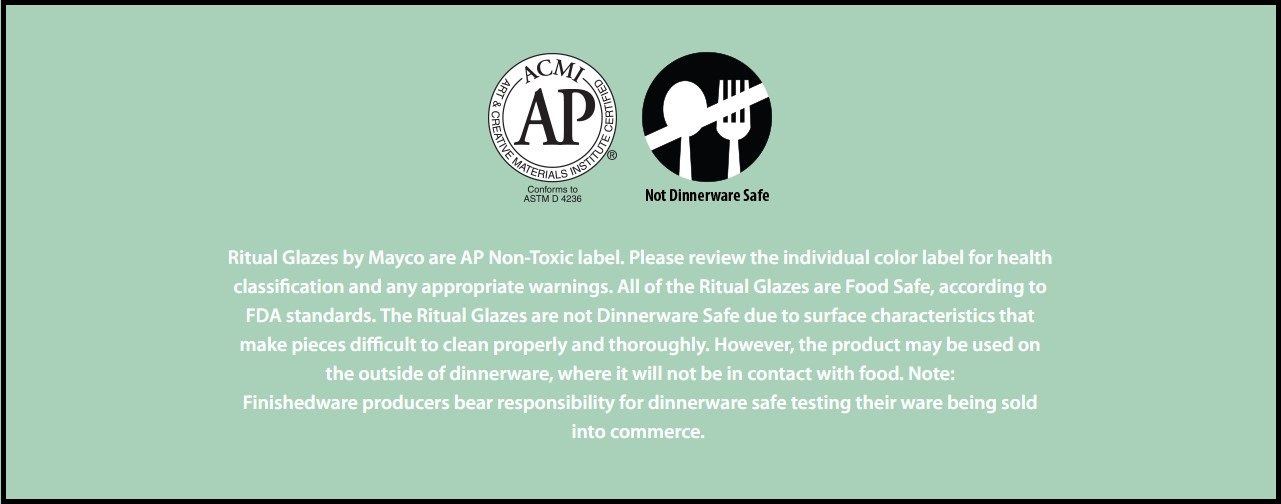
Dinnerware Safety: Beads is not recommended for dinnerware due to surface texture. However, it can be used on the outside of functional ware, below the lip line.
Beads

Ritual Glazes by Mayco
Beads is a stoneware glaze that produces a dimensional, beaded texture in varying sizes. A heavier application will result in a more pronounced bead pattern.
♦
Extraordinary Texture and Color
Ritual Glazes by Mayco enhance your pieces with out-of-this-world texture and pops of color at mid-range to high-fire temperatures.
♦
Basic Application:
* Stir well.
* Using a soft fan brush, apply 3-6 coats to greenware or soft-fired, cone 04 stoneware bisque (1940°F/1060°C).
* A heavier application will produce a more pronounced bead pattern.
* When the glossy sheen is gone, apply the next layer. Continue to build coats until hairline cracking develops.
** Alternate direction of coats.
** Handle with care.
* Fire to preferred temperature; cone 5-10 (2167°F-2345°F/ 1186°C-1285°C).
* Sample tile was fired to cone 6 oxidation (1222°C/2232°F).
** Testing is recommended. Results may vary.
General Use
Shake or stir the glaze thoroughly before use. Apply to greenware or soft-fired, cone 04 stoneware bisque (1940°F / 1060°C). Use a soft fan brush to apply 3–6 coats, alternating the direction of each coat (e.g., first coat horizontal, second vertical, and so on). A heavier application will result in a more pronounced bead pattern.
♦
Allow each coat to dry until the glossy sheen disappears before applying the next. Continue layering until hairline cracking appears. Dry time may vary depending on the clay body or bisque used. Handle with care. Overhandling may cause the glaze to flake or pop off. We recommend firing as soon as possible after application to ensure proper adhesion. Note: Darker colors may cause body staining after firing.
♦
Fire to your preferred temperature, cone 5-10 (2167°F-2345°F/ 1186°C-1285°C). Cone 5–6 (2167°F / 1186°C to 2232°F / 1222°C): Produces a raised beaded texture with varied shapes and sizes. Cone 10 (2345°F / 1285°C): Glaze will soften and spread, potentially altering surface texture. Always test on your specific clay body. Results may vary depending on materials and firing conditions.
Product Usage
Tinting:
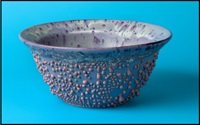
Can be tinted with a 1:4 (Color Product:Beads) ratio for custom colors using Stroke & Coat, EZ Stroke, Stoneware Gloss, and Underglaze to expand your color palette.
♦
Layer Together:
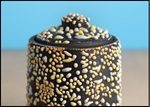
Beads can be layered with other Bead colors to create stunning visual effects. Allow the first layer to set slightly (loses its glossiness) before adding the next. Alternate directions of coats (apply one layer vertically and the next layer horizontally). The first coat you put on will be the most prominent. 1-2 coats of each color are recommended, but additional coats will produce a more pronounced bead pattern.
♦
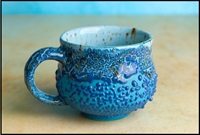
Use with Underglazes and Engobes:
Beads remains dimensional when applied over Underglazes and Stoneware Engobes, preserving its raised texture. For best results, it is recommended to bisque fire the Underglaze or Engobe to cone 04 before applying the Beads, as this helps with adhesion and ensures the glaze performs effectively during the final firing.
♦
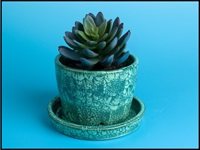
Layer with Stoneware Glazes:
When used either under or over a glaze, such as Stoneware glazes, the texture may flatten during firing. Despite this change, the technique can still produce interesting and colorful effects, offering a smooth, layered appearance even without the dimensional quality.
♦
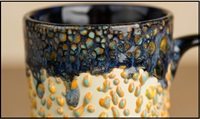
Layered Glazing Technique:
This dynamic two-to-three-step firing process highlights the unique surface effects of Mayco’s Ritual Beads glaze in combination with Stoneware Glazes.
First Firing: Start by applying the Beads, either alone or in layers, to create a textured, raised bead pattern. Fire it to your preferred stoneware temperature. Alternatively, you can apply an Underglaze or Stoneware engobe first, and fire it before applying the Beads.
Second Firing: Apply a stoneware glaze over the beaded surface and fire it again. This second firing allows the top glaze to interact with the underlying texture, resulting in a dimensional finish with rich color variation and depth. This technique is ideal for artists who wish to explore layered surface effects. Tip: Heating the piece in the microwave will help with glaze adhesion when applying the stoneware glazes.
♦
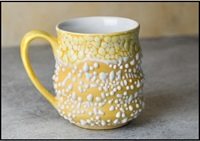
Firing Range:
Beads have a broad firing range from cone 5 to cone 10 (2167°F-2345°F /1186°C-1285°C) in both oxidation and reduction firings. Firing at higher temperatures may result in the glaze spreading and softening, with a surface texture that may occur. Because results can vary based on firing conditions and layering techniques, it’s recommended to test the glaze beforehand.
♦
Dinnerware Safety:
** Beads is not recommended for dinnerware due to surface texture. However, it can be used on the outside of functional ware, below the lip line.
Helpful Hints
* For better adhesion, dampen the bisque with a sponge before applying.
* A heavier application will produce a more pronounced bead pattern.
* When the glossy sheen is gone, apply the next layer. Continue to build coats until hairline cracking develops.
** Alternate direction of coats.
* Heavy application or over-handling may cause the glaze to pop off. Handle with care.
* Can be layered with other Bead colors.
* When using Beads over a Stoneware Engobe or Underglaze, it is recommended to bisque fire to cone 04 before applying Beads.
* Glaze remains dimensional over Underglazes and Stoneware Engobes; flattens under or over a glaze.
** It is recommended to fire your piece as soon as possible to prevent issues with glaze adhesion.
Share:
Share on Facebook Share on Twitter Share on Pinterest Tell a friend