
)
)
)
)
SW405 - Light Magma Glaze, Cone 5-10, Pint, (CL)
Item#: 16SW405
UPC#: 097539125557
MPN: SW405P
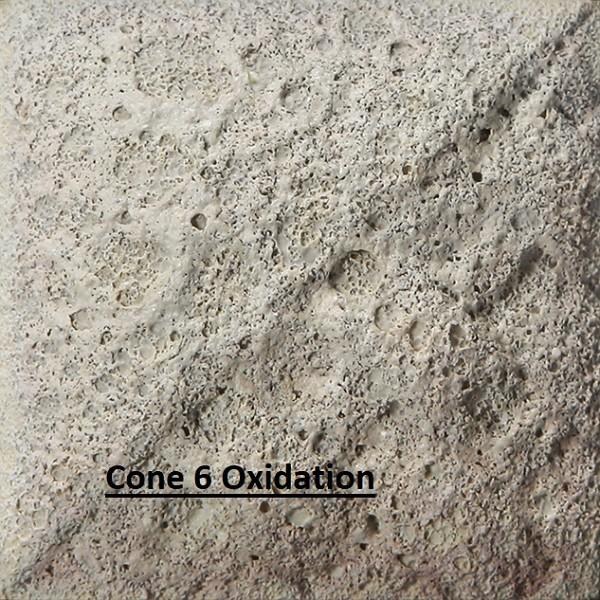
- Magma was developed to create a rough, cratered surface. The thicker the application, the more textured the surface will be.
CONE 5/6 OXIDATION:
- Light Magma is a sand-colored, high-texture glaze that creates a rough, cratered surface. The thicker the application, the more textured the surface will be.
CONE 10 REDUCTION:
- Texture slightly flattens. Color changes to a cream/gray.
* Chips shown are fired flat on a white clay body fired to cone 6 oxidation and cone 10 reduction.
- The choice of clay body, the thickness of glaze application, the firing process, and temperature will affect the fired results.
Light Magma
Tips:
* Light Magma is a sand-colored, high-texture glaze that creates a rough, cratered surface.
* The thicker the application, the more textured the surface will be.
Magma
* Was developed to create a rough, cratered surface.
* The thicker the application, the more textured the surface will be.
* Magma can be directly applied to bisqueware or in combination with other mid-range glazes.
* The amount of dimension and cratering created with these glazes is directly a result of how thick the glaze is applied.
* A thinner application will produce a less dimensional surface with minimal cratering.
* It will have more of a sandpaper feel.
* A thicker application will produce a more dimensional and cratered surface.
General Use
Magma:
* Shake and stir well.
* For shown chip results, apply directly to bisqueware.
* Apply 2-3 coats. Allow glaze to semi-dry between coats.
* The thicker the application, the more textured the surface will be.
* A thicker application can be achieved by blotting or dotting the glaze onto the piece.
* Light Magma does not crater as much as the Dark Magma.
* We suggest using up to 5 coats to increase Light Magma texture.
* Can be applied with slip trailer.
** Due to the surface texture, we recommend that these glazes only be used on decorative surfaces. You may experience slight crumbling.
Product Features
In Combination with Gloss Glazes
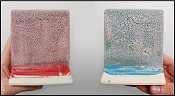
Light Magma works well when layered with our Stoneware Gloss glazes (SW-501 through SW-510). There is a minimal shift in the texture and some color variation is achieved. Mudcrack glazes can also be layered with our Stoneware Gloss glazes (SW-501 through SW-510).
In Combination with Mayco Washes
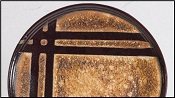
Both Magma and Mudcrack glazes work well with our Stoneware Washes (SW-301, SW-302, and SW-305) with some mild variation in texture.
In Combination with Stoneware Glazes
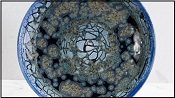
Magma and Mudcrack can be used in combination with other Stoneware glazes to achieve different textures and effects. We recommend testing prior to use.
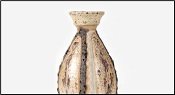
Applied with Slip Trailer
Magma glazes can be applied with a slip trailer for more controlled lines and patterns around your shape.
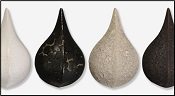
Cone 10 Firing or Alternative Atmospheric Firing Conditions
Mayco Specialty glazes are intended for use at cone 5/6, but many are also pleasing and stable at cone 10 oxidation, reduction or other alternative atmospheric firing conditions, such as wood, salt or raku. Cone 10 color performance can also be found on the left side of the stoneware glaze label. The choice of clay body, thickness of glaze application, firing process and temperature will affect the fired results. Due to variability, we recommend testing prior to application to artwork. View Mudcrack on different clay bodies here or Magma on different clay bodies here.
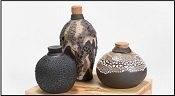
Use on Different Clay Bodies
Glazes will perform differently based on clay body used. We recommend testing prior to application to artwork.
Helpful Hints
Magma
* For shown chip results, apply directly to bisqueware.
* A thicker application can be achieved by blotting or dotting the glaze onto the piece.
* Light Magma does not crater as much as the Dark Magma. We suggest using up to 5 coats to increase Light Magma texture.
* Due to the surface texture, we recommend that these glazes only be used on decorative surfaces. You may experience slight crumbling.
* Black Magma will fume to other pieces in the kiln. We suggest using a soft brick in between pieces or use on its own kiln shelf.
* Magmas can be used in combination with other Stoneware glazes to achieve different textures and effects. We recommend testing prior to use.
Usage Variations and FAQs
What is the best way to apply Mudcrack?
We offer both brushing formulations of our Mudcrack glazes. The results for each glaze are very dependent upon the application. The amount of texture and cracking that is produced with White and Black Mudcrack is directly a result of how thick the glaze is applied. A thinner application will result in a smoother surface with very fine cracks. A thicker application will result in larger cracks and more tactile texture.
When applying the glaze, pay close attention to the glaze performance while it is drying. If you only apply one coat, but the glaze is getting large cracks and is pulling up when drying, do not apply more glaze! Too thick of an application can result in your glaze cracking and pulling off your piece. As the glaze is drying you do want to see some cracking, but not to the point that the edges are curling up. If you don’t see any cracking, apply more glaze, but be vigilant during the application and drying process.
What is the best way to apply Magma?
Mayco offers both brushing and dipping formulations of our Magma glazes. The amount of dimension and cratering created with these glazes is directly a result of how thick the glaze is applied. A thinner application will produce a less dimensional surface, but there will be minimal cratering. It will have more of a sandpaper feel. A thicker application will produce a more dimensional and cratered surface.
Dark Magma glaze tends to produce more cratering than our Light Magma. To achieve similar results with both glazes + 1 or 2 coats to the Light Magma.
Why is my Mudcrack glaze so thick?
Mudcrack glazes tend to become thick and gelatinous as they sit. Agitate the glaze vigorously to reconstitute the glaze to a brushable fluidity. Add water if necessary. For dipping glaze, mix before dipping as you usually would.
Are Mayco’s Stoneware glazes Food Safe and Dinnerware Safe?
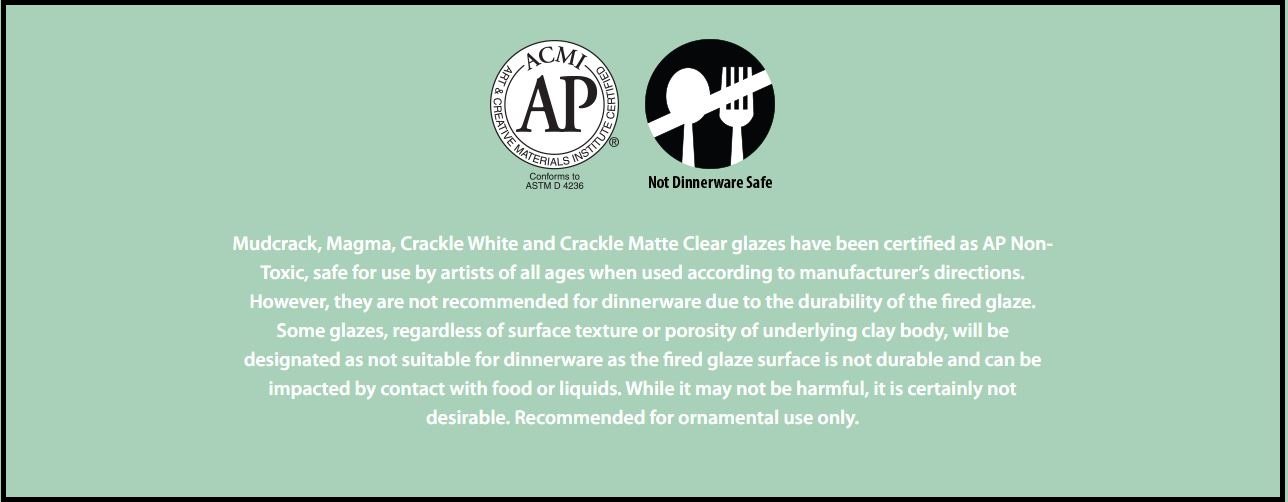
All of Mayco’s Stoneware glazes are both Food Safe when used according to manufacturer’s directions and Dinnerware Safe with the exception of SW-132 Mirror Black, SW-182 Antique Brass, our Stoneware Texture glazes (SW-403 through SW-406), and our Stoneware Washes when used alone (SW-301 through SW-305). There is a factor of personal discretion when considering the use of any glaze on a surface that comes in contact with food. Some factors such as clay body, firing temperature, firing atmosphere, and the layering of glazes also contribute to the suitability of a ware for dinnerware use. It is the responsibility of the customer to practice practical consideration of these factors and observe how they affect the final fired surface.
Can I color/tint Mayco Specialty glazes?
Magma glazes tend to eat up pigment of mason stains and underglazes. Light Magma works well when layered with our Stoneware Gloss glazes (SW-501 through SW-510). There is a minimal shift in the texture and some color variation is achieved.
Mudcrack glazes produce a very fragile and dry surface when layered with underglazes and don’t take well to mason stains. These glazes can also be layered with our Stoneware Gloss glazes (SW-501 through SW-510)
Both Magma and Mudcrack glazes work well with our Stoneware Washes (SW-301, SW-302, and SW-305) with some mild variation in texture.
Can Mayco Specialty Glazes be fired to cone 10?
Yes they can. Some will change significantly, some not much. Best we can do is provide this visual gallery and let you see what each glaze can do at cone 10 reduction. Cone 10 color performance can also be found on the left side of the stoneware glaze label. The choice of clay body, thickness of glaze application, firing process and temperature will affect the fired results. Due to variability, we recommend testing prior to application to artwork.
Do Mayco’s Specialty glazes work well in combination?
All of our Stoneware Specialty glazes can be layered with other glazes. There will be a reasonable variance in the finish, color, and texture. As always, we recommend testing glazes with your preferred application, clay body, and firing temperature.
How should I fire your magma and mudcrack glazes?
As with all of Mayco’s Stoneware glazes, they have a firing range from cone 5 to cone 10. The samples we showcase in our promotional material and literature are glazed on a white clay body and fired to cone 6 unless otherwise noted. Expect some variation in the results depending on the glaze thickness, clay body, firing atmosphere, and firing temperature. We have cone 10 reduction results on our website, in our Stoneware Brochure, and listed on the label. We recommend leaving extra clearance around pieces with Dark Magma in the kiln. Our Dark Magma tends to fume in the kiln and can discolor nearby wares. The thicker the glaze application, the more likely it is to fume.
Practice caution when handling and loading a piece with completely dry Mudcrack glaze. The surface will crack as it dries and becomes very fragile. It is helpful to handle the piece while the glaze is still a bit damp to preserve the surface. If your Mudcrack is applied too thick, it may pop off during the firing. You can tell if the Mudcrack is applied too thick if it is curling up and popping off as it dries.
Mayco Stoneware Dry-Mix Glazes don't have to be sieved - why?
Manufacturing process includes ball milling to very precise particles sizes. All you need to do to use our dry-mix glazes is add water, slake, stir and DIP. You’ll love the sheeting action when dipping and be pleased to find that our dry-mix glazes will not settle out in your storage bucket.
Share:
Share on Facebook Share on Twitter Share on Pinterest Tell a friend